UAE Garden Design: Water-Wise Plants, Materials and Ideas
A thoughtfully designed outdoor area can transform how you experience a home in the UAE, transforming harsh outdoor space into a real extension of your living space The same weather that makes evenings in winter on the terrace so pleasant also makes landscaping here uniquely demanding Punishing summer heat, salt-laden coastal air, sandy soil, and limited fresh water all dictate what will actually thrive The good news is that a smart, water-wise approach can create a lush, comfortable outdoor space without wasting precious resources This guide walks through the planting, hardscape materials, and irrigation ideas that work in Dubai and across the Emirates in 2026 From a sprawling garden in Arabian Ranches to a compact balcony in Dubai Marina, the same guidelines apply at any scale
Working Alongside the UAE Climate, Not Against It
The single biggest mistake in UAE landscaping is resisting the environment instead of designing with it Summer heat regularly pushes past 45 degrees Celsius and little rain falls for months, so thirsty lawns and delicate imported plants struggle badly Coastal areas add salty air and wind, while much of the natural soil is loose, alkaline, and poor in nutrients Because water is a seriously limited resource here, efficient irrigation is both an environmental and a financial priority Working with the climate means picking home interior design company drought-tolerant species, improving soil, providing shade and reducing the area devoted to thirsty grass Planning also revolves around the cool season, roughly October to April, when outdoor spaces are in heaviest use Accept these conditions from the start, and everything else becomes easier and cheaper to maintain
Plants That Do Well in the Emirates
A water-wise garden succeeds or fails on plant selection, so it deserves careful thought right from the start As a rule, favour native and adapted species that evolved to cope with heat, drought and salinity Needing far less water and attention than exotic imports, these plants also tend to look more vigorous through the punishing summer Layering taller shade providers, mid-height shrubs and low ground cover gives a good scheme both depth and cooler pockets of air Grouping plants with similar water needs together, a technique known as hydrozoning, makes irrigation far more efficient It is also wise to cluster the greenest, most water-hungry planting near seating areas where you will appreciate it most The two categories below cover the most reliable choices for gardens across the UAE
Resilient Native and Adapted Species
Native and regionally adapted plants make up the core of any sustainable UAE garden Being used to the conditions, they need less irrigation, less feeding and less replacement over time Many also flower generously, proving that low water use does not mean a drab, lifeless garden The species listed below perform well across Dubai and the wider Emirates Take them as a starting palette, then adjust for your soil, exposure and personal taste A local nursery or landscape expert can pin down exactly what suits your particular plot
- Ghaf, the national tree of the UAE, prized for its shade and remarkable drought tolerance
- Date palm and sidr, both thriving in the heat and long tied to the region
- Bougainvillea and oleander, which provide vivid colour with only modest water once established
- Desert rose, hibiscus, and frangipani for sculptural form and flowers near seating
- Lantana, Arabian jasmine and succulents like aloe and agave for low, tough ground cover
Shade, Structure and Greenery
In a UAE garden, shade is arguably the most valuable asset, making outdoor space usable and cooling everything nearby Well-placed trees, pergolas, and shade sails can cut surface heat sharply and protect more delicate plants beneath them The way you arrange planting, paths and levels also creates structure, leading the eye and defining zones Vertical greenery, such as climbers on a screen or a living wall, adds lushness without taking up ground space, which suits compact plots Layering heights creates cooler microclimates where a broader range of plants can survive the summer Evergreen structure keeps the garden feeling alive even as flowering plants pause through the hottest months Design in three dimensions, and a flat plot becomes an inviting, comfortable retreat
Hardscape Materials That Survive the Heat
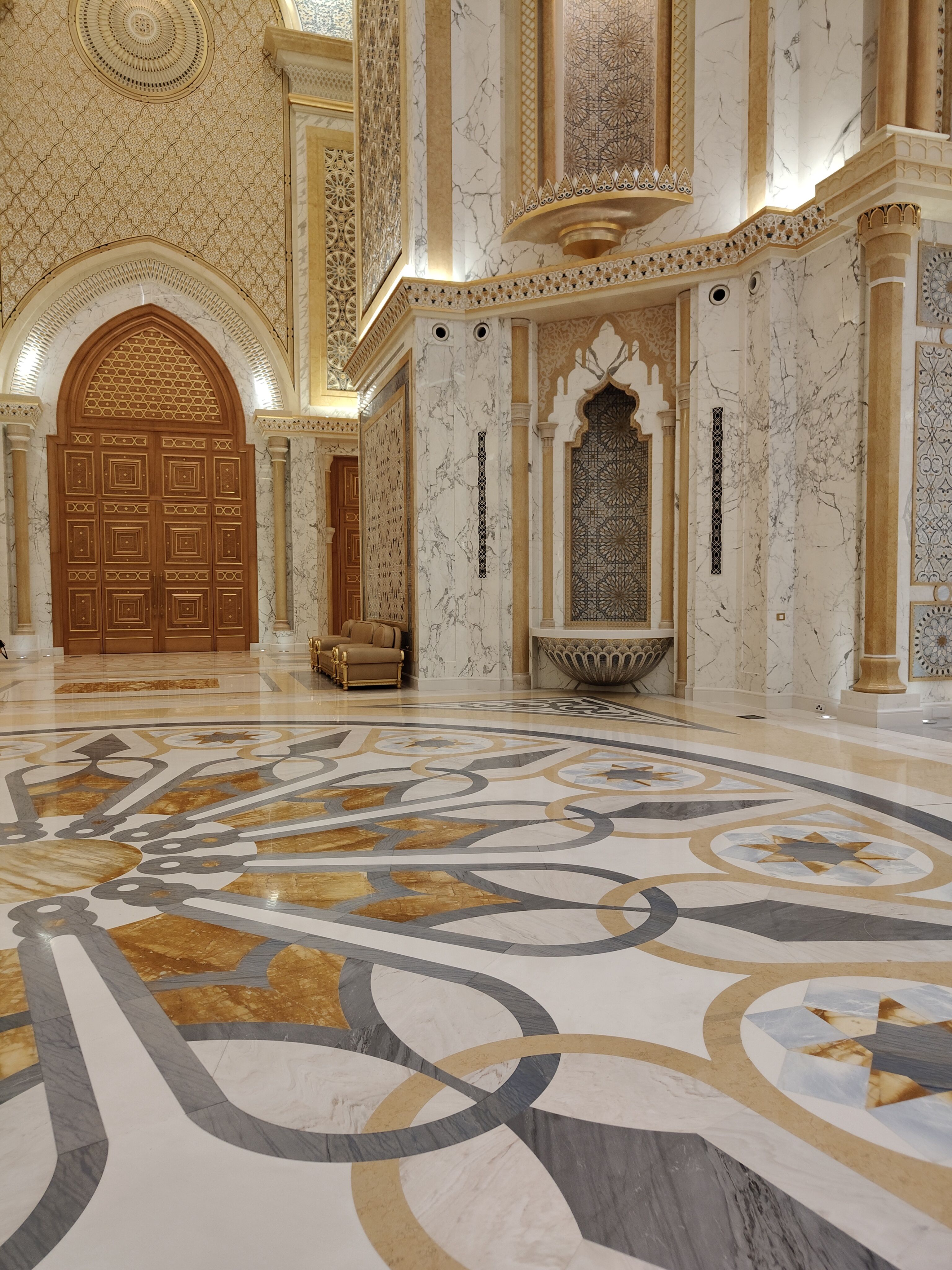
Hardscape, meaning the paved and built part of a garden, must withstand fierce sun, heat and the occasional heavy downpour A poor choice can turn uncomfortably hot underfoot, or crack and fade within a couple of seasons Pale, textured materials keep cooler and safer than dark, glossy surfaces, which counts especially around pools and seating When specified correctly for outdoor use, natural stone, porcelain paving and composite decking all perform well With shade structures, screens and built-in seating, you can comfortably use the space for longer Below, the table compares common options alongside general 2026 market cost estimates to guide early budgeting Take the figures as ranges rather than firm quotes, as site conditions and finishes vary widely
| Surface | Best use | Main benefit | Typical 2026 cost (AED/sq ft) |
|---|---|---|---|
| Porcelain tiles | Terraces and pool decks | Keeps cool, easy to maintain | 60 – 160 |
| Natural stone paving | Paths, feature areas | Durable, premium look | 80 – 250 |
| Composite decking | Seating, pool surrounds | Timber look, will not rot | 70 – 180 |
| Artificial turf | Low-water lawn areas | Green all year with no irrigation | 40 – 90 |
| Gravel and mulch | Planting beds, borders | Budget-friendly, reduces evaporation | 15 – 45 |
Water-Wise Design Principles
Water efficiency is the heart of responsible landscaping in a country where fresh water is scarce and precious A well-planned garden can look generous and green while using a fraction of the water a traditional lawn would demand At its core, the aim is to lose less water to evaporation, deliver what you use precisely and choose plants that need less Across many UAE communities, irrigation uses treated water rather than potable supply, lowering the environmental cost further Together, smart controllers, good soil and thoughtful layout compound into significant savings over a year The steps below set out the most effective water-wise measures to build into a design
- Swap thirsty grass for drought-tolerant planting, gravel or artificial turf wherever a lawn is not essential
- Use drip irrigation to deliver water straight to the roots instead of spraying it into the hot air
- Through hydrozoning, group plants by water need so every area receives only what it truly requires
- Lay a generous layer of mulch, shading the soil and cutting evaporation significantly
- Add a sensor-equipped smart controller so irrigation adjusts to the weather and pauses after rain
- Enrich sandy soil with organic matter so it holds moisture and feeds plants for longer
Budgeting and Maintaining Your Landscape
Because landscaping is an investment, understanding roughly what to expect before you begin helps As a rough 2026 market guide, complete villa garden design and installation often falls between around AED 100 to AED 400 per square foot, depending on how much hardscape and planting is involved Simple softscape and turf jobs sit at the lower end, whereas pools, pergolas and premium stone push costs considerably higher Ongoing upkeep for a typical villa garden might come to roughly AED 500 to AED 2,500 a month, covering irrigation checks, pruning and seasonal replanting Picking native plants and efficient irrigation from the outset cuts both your water bills and your maintenance effort for years It pays to budget a little extra for good soil preparation and a reliable irrigation system, as these head off expensive problems later Like any project, these figures are best treated as planning estimates rather than firm quotes
Designing an Outdoor Space You Will Use
In the UAE, a successful landscape is not only about surviving the heat but about creating somewhere you truly want to spend time Start by deciding how you will use the space, whether for family dinners, quiet mornings, or children playing, and design around that Bring together shade, water-wise planting and comfortable, heat-tolerant materials so the garden works across the seasons Keep the thirstiest greenery near where you sit, and let hardier, low-water planting carry the wider plot Get efficient irrigation and good soil right from day one, as they quietly underpin everything that grows above them A water-wise garden, done well, delivers beauty, comfort and lower running costs at the same time When the region’s climate is respected rather than resisted, your outdoor space can become the part of the home you enjoy most