The evolution of casinos a journey through time and culture
The Origins of Gambling
The roots of gambling can be traced back to ancient civilizations, where various forms of games of chance were prevalent. Archaeological evidence suggests that the practice dates back thousands of years to Mesopotamia, with objects resembling dice found in artifacts. Additionally, ancient cultures such as the Chinese and Egyptians engaged in activities that involved betting, whether on games or the outcomes of events, indicating that the allure of risking something for potential gain has long been a part of human culture. As players seek to delve deeper into the modern landscape, the RioAce registration guide 2026 offers insights into this evolving world of gaming.
In ancient Rome, gambling was a popular pastime among citizens, leading to the establishment of various betting systems. The Romans created an array of games, some of which resemble modern-day forms of gambling. This early acceptance of gambling laid the foundation for the casinos that would emerge in later centuries, as the societal acceptance of games of chance evolved into more organized forms of gambling in public venues.
As societies progressed, gambling transitioned from informal gatherings to more structured environments. By the Middle Ages, gambling houses began to emerge across Europe, where individuals could gather to play games like dice, cards, and other betting games. This gradual shift reflected not just the popularity of gambling, but also its integration into social and cultural practices, setting the stage for the emergence of modern casinos.
The Birth of Modern Casinos
The first official casino, known as the Ridotto, opened its doors in Venice, Italy, in the early 17th century. This establishment was revolutionary, offering a regulated environment for gambling, thus removing the chaotic nature that characterized earlier forms of betting. The Ridotto provided a variety of games and was aimed at the elite, marking a significant shift in how gambling was perceived and enjoyed.
During the 18th century, gambling began to spread across Europe, with establishments catering to a broader audience. France, in particular, played a pivotal role in the evolution of casinos, introducing games like baccarat and roulette, which remain popular today. The opulence and grandeur of French casinos attracted a diverse clientele, turning these venues into social hubs where people gathered not only to gamble but also to socialize and enjoy entertainment.
The 19th century saw the establishment of casinos in places like Monte Carlo, which solidified the association of casinos with luxury and glamour. This period marked the rise of the casino as a cultural icon, where high-stakes gambling was intertwined with fashion, fine dining, and elite social gatherings. As these establishments grew in popularity, they became emblematic of wealth and extravagance, drawing individuals from all walks of life who were eager to partake in the thrill of the game.
The Global Expansion of Casinos
With the rise of the industrial revolution, the concept of casinos expanded beyond Europe to various parts of the world. In the late 19th and early 20th centuries, many American cities began to establish their own casinos, particularly in places like New Orleans and later Las Vegas. The U.S. saw a unique evolution in its casino culture, often influenced by the influx of immigrants who brought their gambling traditions with them.
Las Vegas emerged as the gambling capital of the world in the mid-20th century, with extravagant resorts that combined gaming with entertainment. The creation of the Las Vegas Strip transformed the casino landscape, introducing themed resorts and elaborate shows that offered visitors a complete experience. This innovation in casino design and the introduction of gaming technologies made Las Vegas synonymous with gambling and leisure.
As technology advanced, the expansion of casinos continued with the integration of online gaming. The late 20th and early 21st centuries witnessed a significant shift as casinos began to establish an online presence, allowing players to gamble from the comfort of their homes. This evolution brought about a new era of gaming, where traditional casinos adapted to digital platforms, offering a wide range of games and betting options to a global audience.
The Cultural Impact of Casinos
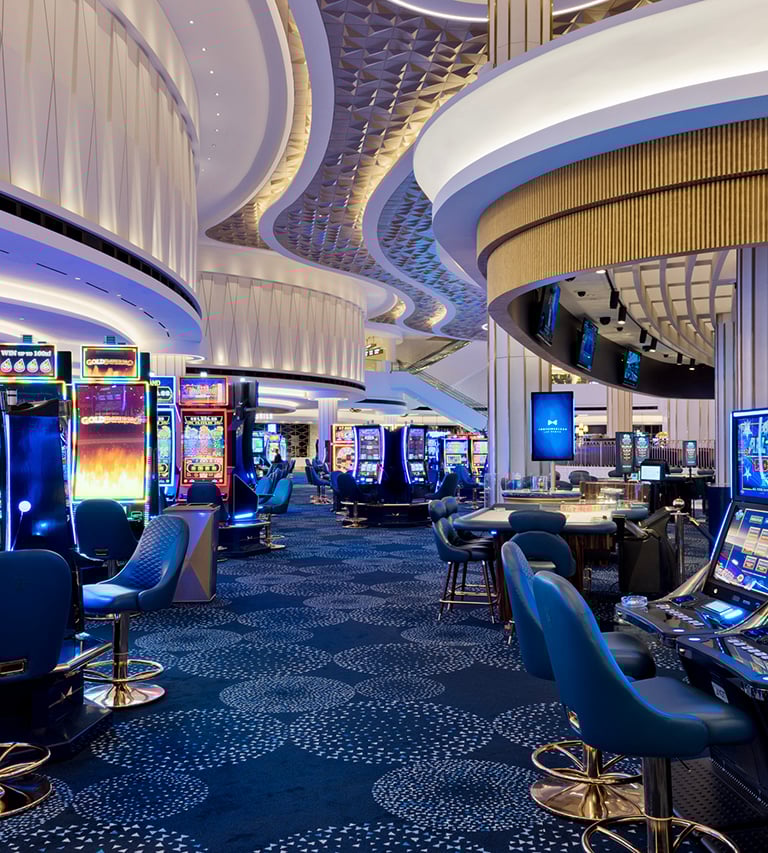
Casinos have transcended their role as mere gambling establishments to become cultural phenomena. They often serve as social spaces where people gather to experience entertainment, dining, and nightlife. The atmosphere of a casino is carefully curated to create excitement, drawing in patrons from diverse backgrounds. This cultural melting pot not only enhances the gaming experience but also promotes social interaction among visitors.
Moreover, casinos have influenced literature, film, and art throughout the years, often depicted as places of high drama and intrigue. Movies like “Casino Royale” and “Ocean’s Eleven” have glamorized the casino environment, showcasing the thrill and danger associated with high-stakes gambling. These cultural representations contribute to the romanticized view of casinos, enhancing their allure and impact on popular culture.
Additionally, casinos often support local economies by providing jobs and stimulating tourism. The presence of a casino can revitalize a community, attracting visitors and boosting local businesses. This symbiotic relationship between casinos and local culture further embeds gambling into the social fabric of society, illustrating how deeply intertwined casinos are with cultural identity and community development.
RioAce Online Casino and Sportsbook: The Future of Gambling
As the evolution of casinos continues to unfold, platforms like RioAce Online Casino and Sportsbook embody the future of gambling in a digital age. Offering an extensive selection of games and live dealer options, RioAce caters to a growing audience that seeks both convenience and excitement. With over 9,000 games, players can enjoy a plethora of choices, from classic slots to innovative new titles, making the gaming experience dynamic and engaging.
In addition to casino games, RioAce provides sports betting on various events, including football and esports. This diversity allows players to experience the thrill of gambling in multiple forms, all while benefiting from competitive odds and generous promotions. The user-friendly interface ensures that whether players are on desktop or mobile, they can easily navigate the platform for an immersive gaming experience.
Moreover, RioAce prioritizes security and customer support, operating under a Curaçao license to ensure a safe environment for its users. With fast payouts and 24/7 customer service, the platform aims to create a trustworthy atmosphere for players. As the gambling landscape continues to evolve, RioAce stands at the forefront, combining technology and culture to offer an unparalleled gaming experience that resonates with the modern gambler.