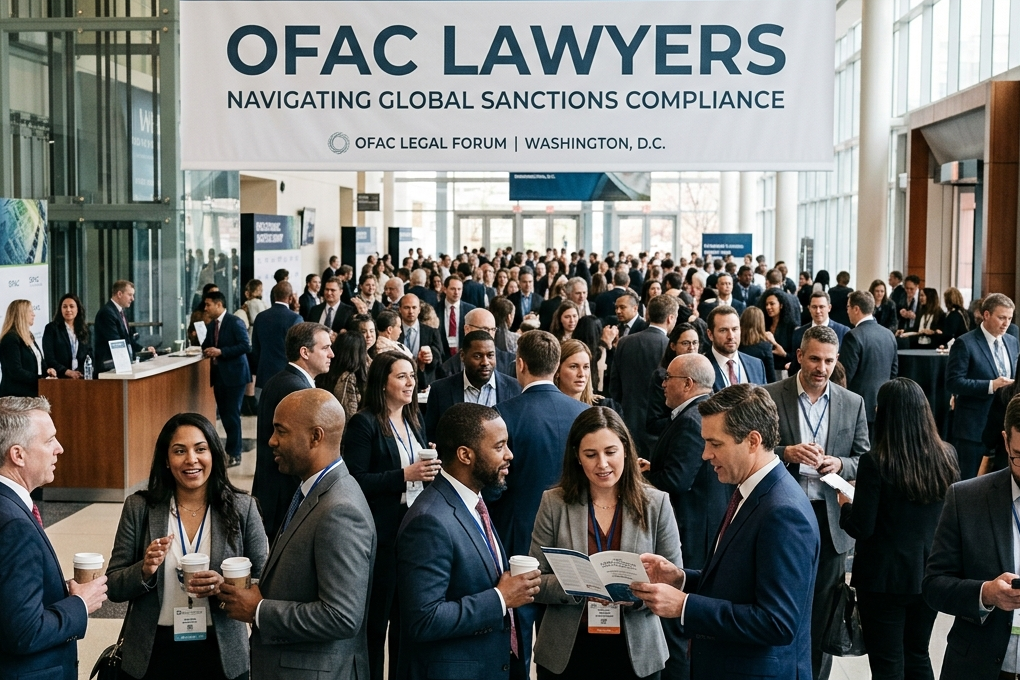
An OFAC lawyer plays a critical role in helping individuals and businesses navigate the complexities of U.S. sanctions. With increasing political tensions and global conflicts, the necessity for expert legal guidance is more prevalent than ever. If you require assistance in understanding OFAC regulations, visit Ofac Lawyer ofac-lawyers.com for more information.
What is OFAC?
The Office of Foreign Assets Control (OFAC) is an agency of the U.S. Department of the Treasury. Its primary responsibility is to administer and enforce economic and trade sanctions against targeted foreign countries and regimes, terrorists, international narcotics traffickers, and those involved in activities related to the proliferation of weapons of mass destruction. These sanctions can take various forms, including asset freezes, trade restrictions, or travel bans.
Why You Might Need an OFAC Lawyer
As the implications of OFAC regulations can be severe, involving significant financial penalties or even criminal charges, it is essential to consult with an attorney who specializes in OFAC matters if you find yourself in one of the following situations:
- International Trade: Businesses engaged in international trade must ensure that their activities do not violate OFAC sanctions. An OFAC lawyer can help assess the legal implications and develop compliance strategies.
- Financial Transactions: If you are involved in financial transactions that may inadvertently intersect with sanctioned entities, an OFAC lawyer can provide guidance on how to avoid breaching regulations.
- Foreign Investments: Before making investments abroad, especially in regions under U.S. sanctions, it is crucial to understand the legal ramifications. An OFAC attorney can help you navigate these waters.
- Compliance Audits: Regular compliance audits are necessary for businesses involved in international trade. An OFAC lawyer can conduct these audits to ensure that your practices align with current regulations.
Understanding Sanctions
Sanctions can be imposed for various reasons, including national security concerns, foreign policy goals, and the need to deter malign activities. Some common types of sanctions include:

- Comprehensive Sanctions: These prohibit all trade and economic activities with designated countries. Examples include sanctions against North Korea and Iran.
- Targeted Sanctions: These focus on specific individuals, entities, or sectors within a country. They may include asset freezes and restrictions on certain types of business transactions.
- Sectoral Sanctions: These restrict specific sectors of a country’s economy, often targeting industries that support military or security activities, such as energy or finance.
The Importance of Compliance
Compliance with OFAC sanctions is not optional. Failure to adhere to these regulations can lead to severe penalties, including hefty fines and potential jail time for individuals involved. Companies may face reputational damage, loss of licenses, and restrictions on business operations. An OFAC lawyer can help mitigate these risks by developing comprehensive compliance plans, conducting regular training for employees, and advising on best practices.
How to Choose an OFAC Lawyer
Choosing the right OFAC lawyer is crucial for your legal needs. Here are several factors to consider when selecting legal counsel:
- Experience: Look for a lawyer with extensive experience in OFAC matters. They should have a thorough understanding of sanctions regulations and their implications.
- Reputation: Research the lawyer’s track record and client testimonials. A reputable lawyer will have a history of successful outcomes and satisfied clients.
- Communication: Choose a lawyer who communicates clearly and effectively. You should feel comfortable asking questions and discussing your concerns.
- Specialization: Ensure that the lawyer specializes in OFAC and sanctions law. This specialization is essential for navigating the complexities of the legal landscape.
The Consequences of Violating OFAC Sanctions
Violations of OFAC sanctions can result in civil and criminal penalties. Civil penalties can be particularly severe, with fines that reach up to $250,000 or twice the amount of the transaction involved, whichever is higher. Additionally, criminal violations can lead to imprisonment for individuals found guilty of willful violations of sanctions, in addition to substantial monetary penalties.

Common Misconceptions About OFAC Regulations
There are several misconceptions surrounding OFAC regulations that can lead to unintended violations:
- Myth: If a foreign entity is not on the OFAC list, it is safe to do business with them.
- Myth: I can ignore sanctions if I believe my transactions are minimal.
- Myth: OFAC only affects U.S.-based businesses.
Each of these misconceptions can lead to serious legal trouble, emphasizing the importance of consulting an OFAC lawyer to clarify your understanding of the regulations.
The Future of OFAC Regulations
The landscape of international sanctions is constantly evolving. Changes in foreign affairs can lead to new sanctions or the lifting of existing ones. Keeping abreast of these changes is critical for companies engaged in international trade. Engaging an OFAC lawyer ensures you are continuously compliant with current regulations and are prepared to adapt to new legal requirements as they arise.
Conclusion
In today’s complex global environment, an OFAC lawyer serves as a vital resource in navigating the intricate web of sanctions regulations. Whether you are a business owner, investor, or involved in international trade, understanding and adhering to OFAC regulations is critical to your operations. By seeking the guidance of an experienced OFAC lawyer, you can protect yourself and your business from significant legal repercussions, ensuring compliance and peace of mind.