
In today’s digital era, the internet hosts billions of websites, but surprisingly, there are still many sites that are not present online. These sites could range from outdated designs that never made it into the digital age to entirely unique entities that chose to remain offline, either for privacy, security, or niche market reasons. One such interesting perspective can be found at which sites are not on GamStop? meekin.co.uk, which analyzes various digital trends and the importance of certain online platforms.
Understanding why some websites are not on the internet involves delving into a range of considerations, including technological, social, and economic factors. In this article, we will explore some major categories of websites that are surprisingly absent online, dissect the reasons for their absence, and discuss the implications of such an absence on the digital landscape.
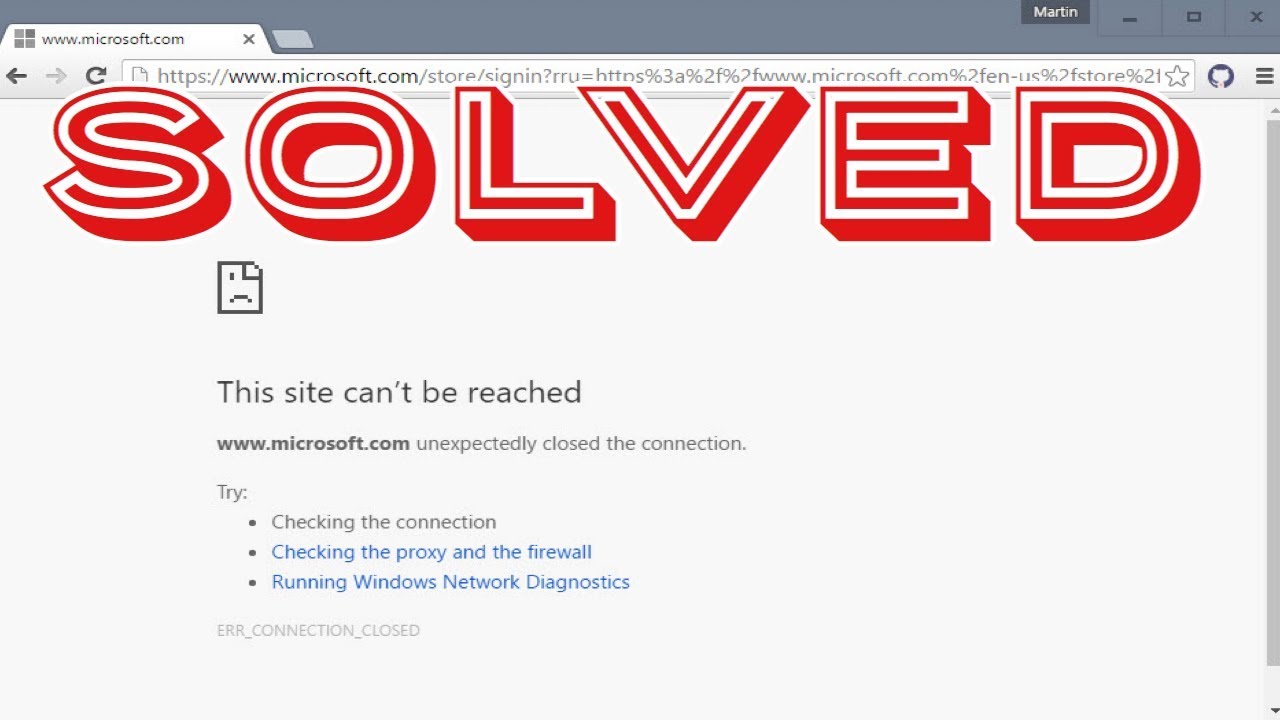
1. Websites That Never Launched
Many websites are simply ideas that never made it past the brainstorming phase. Entrepreneurs may have grand plans for a new service or product, complete with a dedicated site to promote it, but various factors can halt progress. Financial constraints, market conditions, or a lack of technical knowledge can contribute to projects being shelved indefinitely. Websites that were once envisioned can remain only in the minds of their creators.
2. Websites That Were Abandoned
Another category involves websites that were once active but have since been abandoned. This may occur for several reasons, including the owner losing interest or changing business focus, unsustainable maintenance costs, or a failure to adapt to changing technology or trends. These abandoned sites can still be found in various states of decay, often resulting in dead links or outdated information.
3. Private or Internal Sites
Some websites are purposely kept offline for privacy or security reasons. Organizations, especially government agencies or health institutions, may maintain internal sites that are not accessible from the public internet. This design ensures that sensitive information remains protected, limiting exposure to potential cyber threats. Additionally, intranets or private cloud systems may serve specialized audiences and are designed to improve efficiency and collaboration within a closed group.
4. Niches and Local Businesses
Local businesses operating in highly specialized niches may also opt to forgo online presence to appeal to a small, local audience. Such businesses might rely more on word-of-mouth referrals and local advertising, effectively reducing the necessity for a website. This can include traditional crafts, artisanal products, or personal services that thrive within tightly-knit communities.
5. Cultural and Societal Factors
In some cultures, the internet and technology have not fully penetrated society, leading to many businesses and groups being offline by default. This could be due to economic constraints, lack of infrastructure, or simply cultural choices around the value of technology. In rural areas or developing regions, there can be significant gaps in digital connection, rendering any attempts to establish an online presence impractical or unnecessary.
6. Regulation and Censorship
In some countries, strict regulations or censorship can lead to websites not being established or quickly taken down once they are live. Rigorous control by governmental authorities can discourage free speech, leading creators to avoid building sites that may be seen as controversial or challenging to the status quo. This can limit the diversity of voices and perspectives available on the internet.
7. The Impact of Technology Changes
Technology is always evolving, and some sites may be relegated to the past due to advancements in web design and user expectations. A website that once thrived may have failed to adapt to newer technologies, leading to its downfall. This includes not updating security protocols, failing to implement mobile-responsive designs, or simply not modernizing outdated content. In some cases, the technology simply becomes obsolete, and creators abandon them to focus on emerging platforms.
8. Financial Barriers
The cost of maintaining a website can be a barrier for many individuals and small businesses. Hosting fees, domain registration, design expenses, and ongoing maintenance can all add up, leading potential website creators to decide against building a site altogether. Additionally, many individuals may lack the technical expertise needed to create or maintain a professional-looking online presence.
9. The Role of SEO and Digital Marketing
Search Engine Optimization (SEO) and digital marketing are essential components of online visibility, but not all individuals or businesses possess the knowledge or resources to effectively engage in these areas. Without a strategy for promotion and visibility, even the best-designed websites may remain undiscovered. As a result, some sites fail to gain traction and eventually face abandonment.
10. Conclusion: The Future of Offline Websites
While the vast majority of businesses and individuals are migrating to the online space, an intriguing world exists for those sites that are not or cannot be online. Understanding why these sites remain absent from the web highlights various societal trends and technological challenges that impact digital development. Moving forward, as technology evolves and accessibility improves, it will be interesting to see how many of these absent sites eventually make their way online, enriching the internet’s diversity and offerings. The digital landscape remains a dynamic entity, constantly shifting and adapting to new realities.