The Allure of Risk and Reward
The thrill of risk plays a central role in the psychology of casino gaming. Players are often drawn to the potential for significant payouts, creating a powerful incentive to place bets. This allure is amplified by the excitement and suspense that accompanies each spin of the wheel or roll of the dice. For many, engaging with casino sites not on gamstop enhances the emotional highs and lows, tapping into our inherent desire for achievement and validation.

Furthermore, the idea of hitting a jackpot can lead to what psychologists term “near-miss” experiences. When players come close to winning, it often fuels their determination to keep playing, blurring the lines between chance and skill. This psychological phenomenon serves to reinforce behaviors that may lead to compulsive gambling, as players continue to chase that elusive big win.
The Role of Environment in Decision Making
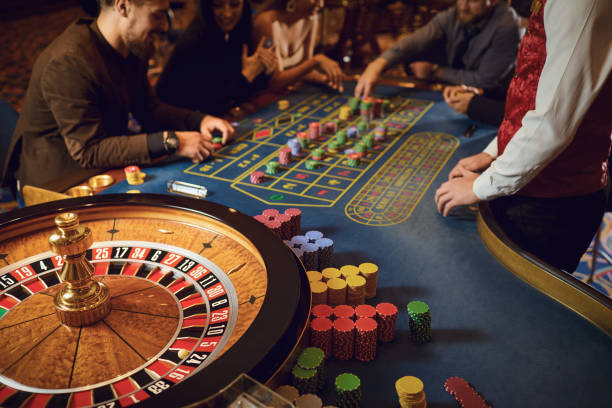
The physical layout and atmosphere of a casino play a significant role in shaping player behavior. Casinos are designed to be inviting and stimulating, utilizing bright lights, vivid colors, and soundtracks that create an exhilarating ambiance. This sensory overload not only draws players in but also influences their decision-making processes, often leading to impulsive bets.
Moreover, the placement of games and the availability of free drinks contribute to this environment, making it easy for players to lose track of time and money. This carefully curated setting exploits psychological triggers, making it more difficult for individuals to exercise restraint and self-control, thus heightening the casino’s appeal.
Social Factors Influencing Gambling Behavior
Gambling is often a social activity, with friends and family influencing one another’s decisions at the table or slot machines. The communal aspects of casino gaming can amplify excitement and lead to increased betting. When players are surrounded by others experiencing the highs and lows of victory and loss, they may feel a sense of belonging and camaraderie that encourages them to bet more.
Additionally, social media and online gaming platforms have transformed how individuals interact with gambling, presenting opportunities for connection and competition that were previously unavailable. Gamers are likely to share their experiences online, further embedding the social aspects of gambling in their psyche and driving the need to bet in pursuit of shared enjoyment.
Cognitive Biases in Gambling Decisions
Cognitive biases greatly impact gambling behavior, influencing how players interpret their experiences and outcomes. For instance, the “gambler’s fallacy” leads individuals to believe that previous results affect future outcomes, driving them to make irrational bets based on superstition or personal beliefs. This misunderstanding can lead to repeated losses as players chase patterns that do not exist.
Additionally, confirmation bias causes players to pay more attention to their wins while downplaying losses. This selective memory creates a false narrative that reinforces continued betting, as the individual believes they are on the verge of making a big win, despite the odds being against them. Understanding these biases is crucial for addressing responsible gambling practices.
Enhancing Online Safety and Gaming Responsibly
As online gambling becomes increasingly popular, understanding the psychology behind casino gaming is essential for promoting responsible practices. Users frequently encounter risks, including addiction and financial loss. Websites dedicated to educating players about these aspects provide invaluable insights into balancing the thrill of gaming with the importance of self-control and safety.
By leveraging advanced security protocols, individuals can navigate the online gaming landscape with greater peace of mind. Gaining awareness of potential threats and recognizing the psychological triggers can help players make informed decisions, ultimately supporting a healthier approach to betting and gaming.