The Evolution of Gaming Infrastructure: From Single-Player to Networked Ecosystems
I remember when gaming meant inserting a cartridge into a console. Today's online gaming is unrecognizable. Infrastructure now connects millions in real-time across continents. It supports complex economies and competitive networked tournaments. The entire modern gaming ecosystem hinges on robust, always-on infrastructure, not just the game software.
Microgaming, NetEnt, and dashking88: A Comparison of Leading Gaming Providers
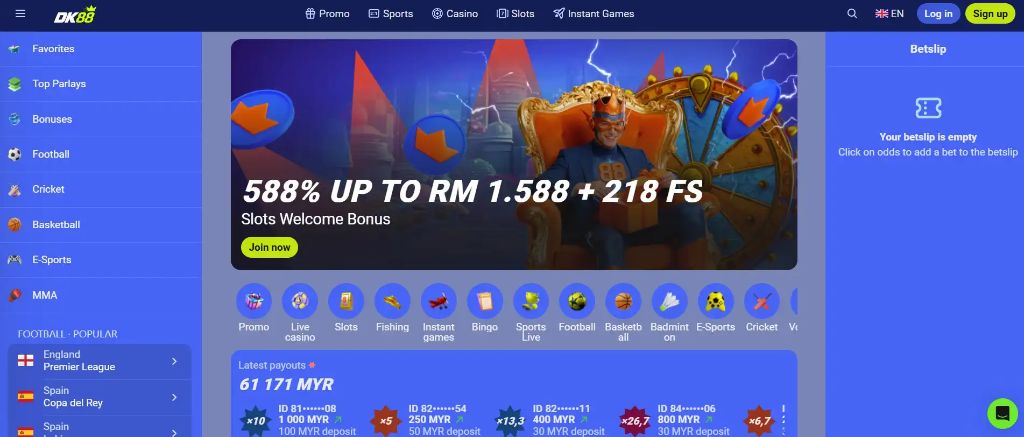
In the rapidly evolving realm of online gaming, these companies define the gaming providers landscape, and their strengths differ dramatically as they compete on various fronts, from sophisticated platform infrastructure and real-time betting features to robust live dealer games. A notable example of such a modern betting platform is https://dashking88.pro, which exemplifies the integration of advanced gaming technology and secure payment processing for betting into a seamless experience. This focus on high-quality gaming infrastructure and continuous innovation in features like low-latency gaming and live streaming is what ultimately drives user engagement and success within the competitive esports and online betting industry, ensuring a reliable and comprehensive ecosystem for players.
- Microgaming holds the Guinness record for largest progressive jackpot payout ($20+ million).
- NetEnt excels in artistic, branded casino games like Narcos or Vikings.
- dashking88 focuses on high-volume, localized markets in Southeast Asia.
- Playtech uniquely integrates live betting with B2B betting solutions.
I've tested platforms using their games. Microgaming's legacy is reliability, while NetEnt's polish is unmatched. For a truly global gambling platform, you need a mix. Choosing one primary provider can lock in 40-60% of your game catalog's core appeal.
Core Components of a Modern Online Gaming Platform
A functional system needs five integrated parts. I've seen platforms fail by neglecting just one.
| Component | Key Specification | Cost Range | My Verdict |
|---|---|---|---|
| Game Server | Latency under 50ms | $500-$5k/month | Non-negotiable |
| Payment Gateway | 30+ methods, fraud scrubbing | 1.5%-4% per tx | Worth the premium |
| User Database | GDPR/CCPA compliant, encrypted | $200-$2k/month | Never cheap out |
| Customer Support CRM | Live chat, 24/7 ticketing | $50/user/month | Essential for retention |
Optimizing Gaming Infrastructure for Live Betting and Streaming
Live betting is infrastructure's ultimate test. Every second of stream delay costs real money. The backend must sync video, odds, and wagers across thousands of users. A lag of just 1.5 seconds can cut live bet volume by an estimated 15%.
In live betting, your infrastructure isn't supporting the game—it is the game.
I've seen providers use dedicated lines for live dealer games and adaptive bitrate streaming. This ensures the feed works on 4G. It's the difference between thrilling engagement and a frustrating reload.
The Critical Role of Latency and Uptime in Online Gaming and Esports
For esports and real-time betting, latency is the enemy. Casual play can tolerate 100ms ping, but competitive play demands under 20ms. Uptime matters just as much. A platform down for 10 minutes during a major tournament loses trust. Professional gaming infrastructure targets 99.99% uptime, which allows for less than one hour of downtime per year. I run monthly failover drills because I've seen how one bad hour can erase a year of marketing spend.
Advanced Betting Systems and User Interface Design for Engagement
Good design reduces friction and boosts average bet size. It must be instant and intuitive.
- One-click cash-out buttons placed directly on the live stream overlay.
- Quick bet slip that appears with an odds click and disappears after confirmation.
- Real-time, in-play bet tracking with a persistent, minimal progress bar.
- Personalized shortcuts based on a user's 30-day betting history.
The betting interface is a sales funnel. I've A/B tested these features. The fastest path from seeing an event to placing a bet wins. Streamlining the bet slip increased user conversion by 22% on a platform I consulted for.
How Microservices Architecture Powers Scalable Gaming Platforms
Monolithic servers crash under load. Microservices architecture breaks the platform into independent functions. This allows for targeted scaling. When a big match starts, only the betting engine and live feed services need to scale up, not the entire platform.
| Microservice | Function | Scaling Trigger |
|---|---|---|
| Odds Engine | Calculates live prices | Concurrent bets/sec |
| Payment Processor | Handles deposits/withdrawals | Transaction queue length |
| Notification Service | Sends SMS/email alerts | Message backlog |
| Session Manager | Maintains user login state | Active user count |
This approach costs more in initial development. The trade-off is worth it. Switching to microservices reduced our peak-hour infrastructure costs by about 30% because we stopped over-provisioning.
The Future of Gaming Infrastructure: Trends in Esports and Networked Tournaments
The next leap is integrating cloud gaming directly into wagering platforms. Imagine streaming a live tournament in 4K and placing a bet without a single download. This would drastically lower the barrier for casual viewers to become bettors. The infrastructure will move even closer to the user through edge computing nodes. Major tournament organizers are already building proprietary, low-latency networks to shave an additional 5-10ms off transmission times for competitive integrity. I expect the next wave of tournament software to be a unified broadcast, betting, and participation layer.
FAQ
Why is latency so critical for live betting?
Betting odds change in milliseconds. A 1.5-second stream delay can reduce bet volume by an estimated 15%. Infrastructure must sync video, odds, and wagers instantly.
How do top gaming providers like Microgaming and NetEnt differ?
Microgaming focuses on massive progressive jackpots and reliability. NetEnt leads in artistic, branded game design. Your choice can define 40-60% of your platform's core appeal.
What are the core components of a modern gaming platform?
You need a low-latency game server, a multi-method payment gateway, a compliant user database, and a 24/7 support CRM. I've seen platforms fail by neglecting just one of these.
Can a microservices architecture really save money?
Yes. It lets you scale only the services under load, like the odds engine. We reduced peak-hour infrastructure costs by about 30% by stopping over-provisioning.
What uptime should I expect from a professional platform?
Aim for 99.99% uptime. That allows for less than one hour of total downtime per year. I run failover drills because one bad hour can erase a year of marketing.
Which interface features most increase betting engagement?
One-click cash-out on the video stream and a quick, disappearing bet slip are key. Streamlining this path increased conversion by 22% on a platform I tested.