Understanding the psychology behind your gambling decisions
The Role of Emotion in Gambling
Emotion plays a significant role in gambling behavior, often influencing decisions more than logic or strategy. Gamblers frequently experience a range of emotions, from excitement during a win to frustration during a loss. These emotional highs and lows can create a cycle of behavior that keeps individuals returning to gambling in hopes of recapturing the thrill they felt during a big win. To better understand one’s actions in this realm, exploring resources like https://www.radiobussola.it/the-ultimate-guide-to-gambling-for-beginners-tips/ can be invaluable.
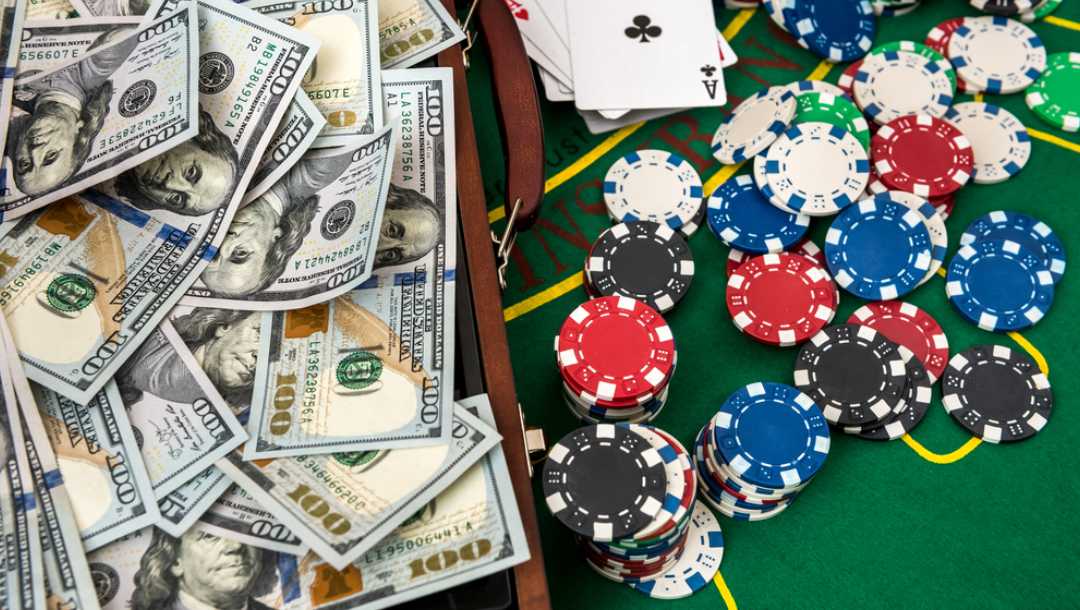
Moreover, emotions can cloud judgment, leading to impulsive decisions. When players are in a heightened emotional state, they may overlook the odds or dismiss the long-term implications of their choices. Understanding how emotions influence gambling can help players make more informed decisions and manage their behavior more effectively.
Cognitive Biases and Gambling Decisions
Cognitive biases significantly affect the way individuals perceive risks and rewards in gambling. For instance, the illusion of control can lead players to believe they have more influence over the outcome of games than they actually do. This misconception often results in overconfidence and encourages riskier betting behaviors.
Similarly, the gambler’s fallacy can mislead individuals into thinking that past outcomes will influence future results. This bias may cause players to chase losses or alter their strategies based on recent experiences, rather than making decisions based on statistical realities. Recognizing these biases can be crucial for developing a rational approach to gambling.
The Impact of Social Factors on Gambling Choices
Social influences can heavily shape gambling behavior. Friends, family, and social circles play a crucial role in establishing norms around gambling. For example, if an individual is surrounded by peers who gamble regularly, they may feel pressured to participate, regardless of their personal feelings about the activity.
Additionally, the social environment can amplify the excitement of gambling. Many gamblers enjoy the social aspect of placing bets with others, which can create a sense of belonging. However, this social encouragement can sometimes mask the negative consequences of excessive gambling. Being aware of these social pressures can help individuals navigate their own choices more wisely.
The Psychological Mechanisms of Addiction
Gambling addiction is a complex psychological issue that can be understood through various psychological mechanisms. The brain’s reward system is often implicated, where the release of dopamine during gambling creates feelings of pleasure and reinforces the behavior. Over time, individuals may chase this high, leading to compulsive gambling.
Furthermore, psychological factors such as stress and mental health issues can contribute to the development of gambling addiction. Individuals may turn to gambling as a coping mechanism, creating a vicious cycle that is hard to break. Understanding these mechanisms is essential for those looking to address or support others dealing with gambling addiction.
Discover More with Radio Bussola 24
At Radio Bussola 24, listeners can find a wealth of resources designed to enhance their understanding of both music and gambling. The platform provides insightful content that caters to both novices and seasoned gamblers, offering strategies and guides to make informed decisions.
Moreover, the engaging audio experience available at Radio Bussola 24 ensures that users not only gain knowledge but also enjoy the entertainment aspect of learning. Whether you’re looking for practical gambling tips or simply want to explore different perspectives on the subject, Radio Bussola 24 is a valuable resource for navigating your interests safely and enjoyably.